
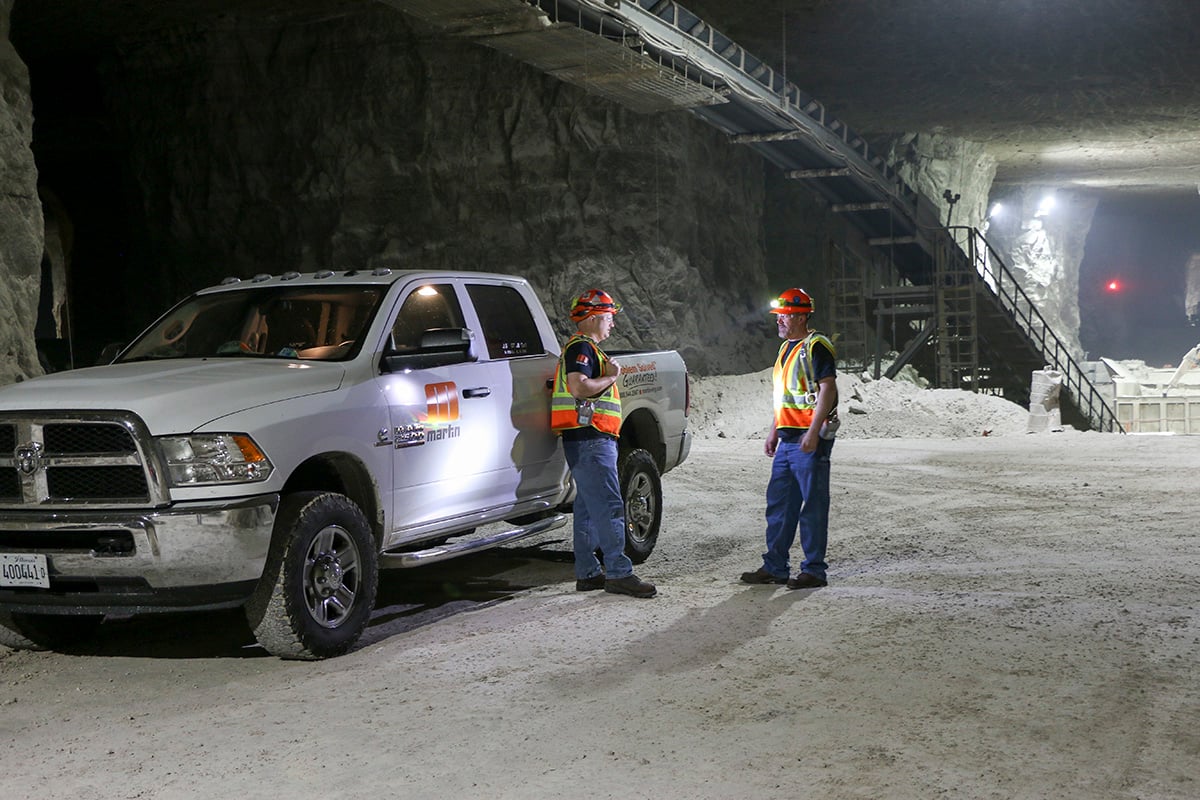

Recent news from the Mine Safety and Health Administration (MSHA) offers an encouraging sign for the U.S. mining industry. During the agency’s annual screening of approximately 12,000 mining operations from October 1, 2025, through September 30, 2026, not a single mine met the criteria for a Pattern of Violations (POV) notice. It marks the third consecutive year without a mine receiving a POV notice and reflects continued progress toward safer mining operations. But maintaining that progress takes work.
For mine operators, the goal should go beyond avoiding a citation or POV notice. A proactive approach to inspection, maintenance, housekeeping, and employee training can help identify hazards before they contribute to an injury, compliance concern, or costly unplanned shutdown.
When it comes to conveyor systems, that prevention can start with some of the most common problems encountered every day.
What Is a Pattern of Violations?
The Pattern of Violations provision of the Federal Mine Safety and Health Act of 1977 applies to mines that demonstrate a recurring pattern of significant violations and other safety and health compliance problems.
A Significant and Substantial, or S&S, violation involves a hazard that is reasonably likely to result in a serious injury or illness.
If a mine is placed on POV status and subsequently receives an S&S violation, MSHA can require miners to be withdrawn from the affected area until the cited condition has been corrected.
To help operators monitor their performance, MSHA provides tools including its POV Calculator and S&S Calculator. Ultimately, however, mine operators are responsible for tracking their violation and injury history and determining when corrective action is necessary.
That concept of acting before a problem escalates applies just as well to the equipment responsible for moving material throughout an operation.
Compliance Starts Before the Inspector Arrives
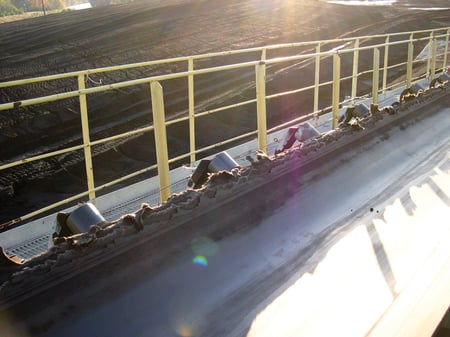
A conveyor doesn't have to be shut down to have a problem.
Carryback may slowly accumulate beneath the return run. A belt may begin to mistrack. Material may escape from a transfer point. A worn cleaner may gradually become less effective. Dust levels may increase.
Each condition can be an early warning that something requires attention.
Waiting until a problem causes equipment failure, unsafe conditions, or a citation is reactive. Regular inspection and preventive maintenance allow operations to recognize changing conditions and correct them sooner.
Inspect. Identify. Correct. Document. Monitor.
Making that cycle part of everyday conveyor management can support both a safer workplace and a more reliable operation.
Keep Fugitive Material Under Control
Spillage and carryback aren't just housekeeping problems. Fugitive material can accumulate around conveyor structures and components, increase cleanup requirements, and potentially expose employees to hazards while working around the conveyor.
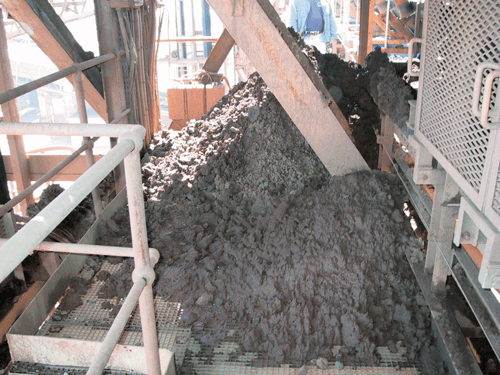
A better approach is to address why the material is escaping in the first place.
Well-designed transfer points, properly supported belts, effective sealing systems, and appropriate skirtboard solutions can help keep material contained within the material stream.
Effective belt cleaning is equally important. Properly selected and maintained primary and secondary belt cleaners can reduce the amount of carryback traveling along the return side of the conveyor.
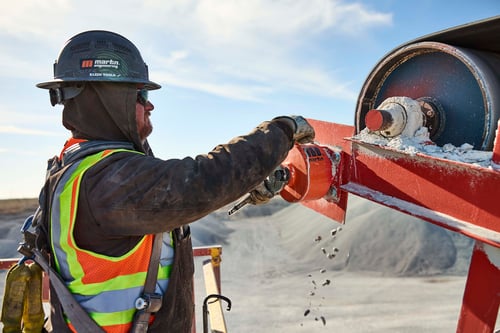
Keeping material on the belt can mean less cleanup, less unnecessary interaction with conveyor equipment, and a cleaner, more productive work environment.
Address Belt Mistracking Before It Becomes a Bigger Problem
A mistracking belt can create consequences throughout the conveyor system.
When a belt wanders away from its intended path, it can contribute to spillage, premature belt damage, equipment wear, and additional maintenance. Personnel may also need to spend more time around the conveyor correcting the resulting problems.
Rather than treating mistracking as a recurring nuisance, operations should determine its root cause.
Frequent inspection combined with properly applied belt tracking solutions can help identify and address tracking problems before they develop into more significant equipment, maintenance, or safety concerns.
Make Dust Management Part of the Plan
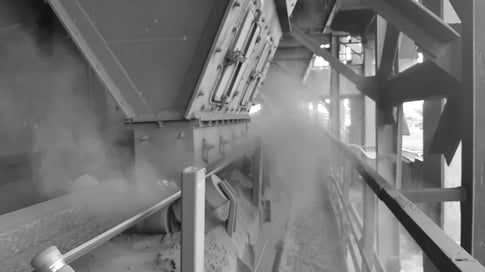
Controlling airborne dust is another critical consideration for mining operations, particularly as the industry continues to focus on reducing worker exposure to respirable crystalline silica.
Dust management begins by understanding how material moves through a transfer point. Effective containment, proper transfer point design, controlled airflow, and appropriately selected dust management technologies can all play a role in controlling fugitive dust.
Instead of addressing visible dust after it escapes, operations can take a more systematic approach by identifying how and where dust is being generated and working to control it closer to the source.
Turn Conveyor Inspections Into Prevention
One of the best ways to find developing conveyor problems is also one of the simplest: walk the system.
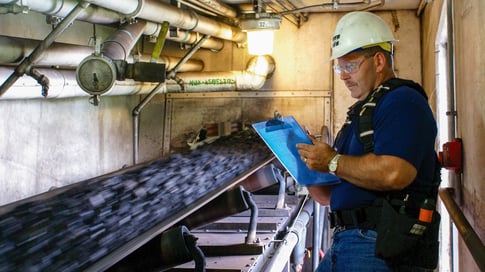
A comprehensive conveyor inspection can reveal warning signs that might otherwise go unnoticed during day-to-day operation, including:
- Carryback
- Material spillage
- Belt mistracking
- Dust
- Worn or damaged components
- Ineffective belt cleaning
- Transfer point problems
- Potential maintenance and safety concerns
Martin Engineering's Walk the Belt™ program provides a systematic look at conveyor performance and helps operations identify areas where improvements may be needed.
Finding a worn component during an inspection allows an operation to plan its replacement. Finding it after a failure can mean emergency maintenance, downtime, and potentially greater exposure to hazards.
The earlier a problem is identified, the more options an operation has to address it safely and efficiently.
Don't Overlook Training
Equipment alone isn't enough to create a safer operation. The people working around conveyor systems need to understand how those systems should operate and how to recognize when something isn't right.
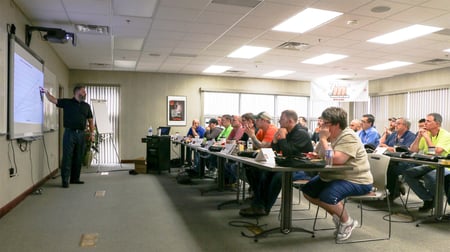
Through Foundations™ Training, Martin Engineering helps personnel build their knowledge of conveyor safety and performance, including topics such as belt cleaning, fugitive material control, belt tracking, transfer points, and conveyor inspection and maintenance.
Giving employees the knowledge to recognize developing problems can help turn everyday observations into opportunities for prevention.
Know Where Your Operation Stands
MSHA's latest POV announcement is encouraging for the mining industry, but continued progress depends on continued vigilance.
Regular equipment inspections can help reveal where tomorrow's problems may be developing today.
By routinely inspecting conveyor systems, controlling fugitive material, maintaining critical components, and giving employees the knowledge to recognize potential hazards, mining operations can work toward cleaner, safer, and more productive workplaces.
Don't wait for an inspection, incident, or unexpected shutdown to uncover problems in your conveyor system. Schedule a Walk the Belt™ assessment and start identifying opportunities to make your operation cleaner, safer, and more productive.



comments